
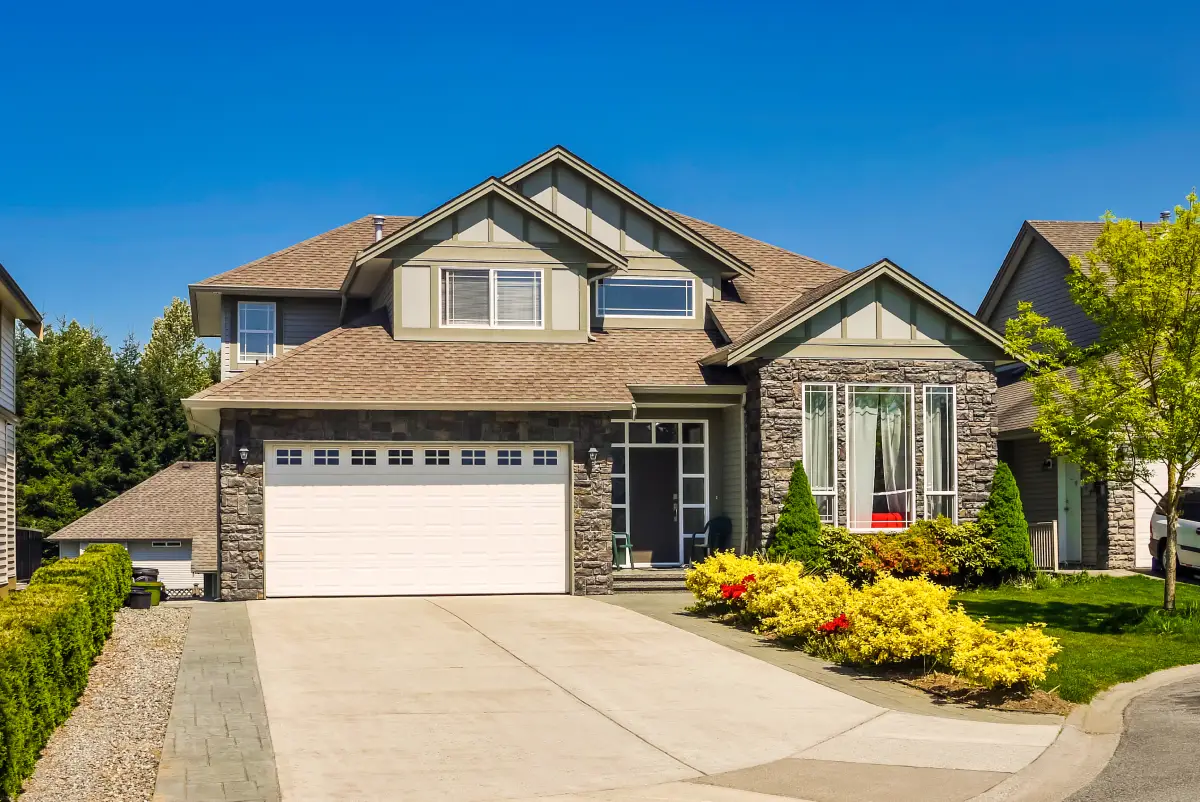
For residential investors, choosing the right property type shapes far more than monthly income. In Charlotte, long-term performance often depends on how well a rental fits the daily realities of ownership, from maintenance demands to tenant behavior. With guidance from resources on protecting your investment, many owners start to notice a consistent pattern: single-family homes tend to offer smoother operations and clearer decision-making than multifamily properties.
At PMI Mecklenburg, we work exclusively with residential properties, and we’ve seen firsthand how asset structure influences stability. Single-family rentals aren’t a universal solution for every investor, yet in Charlotte’s residential market, they often align more naturally with long-term goals, manageable workloads, and predictable outcomes.
Key Takeaways
- Single-family rentals in Charlotte typically reduce resident conflicts and operational interruptions.
- Private space and adaptable layouts support longer tenancies and stronger retention.
- Detached homes offer more pricing flexibility and less internal competition.
- Maintenance and insurance planning are often simpler without shared building systems.
- Residential investors maintain greater control over growth and daily decisions.
Lower Density Creates Fewer Daily Complications
The way a property is built has a direct impact on how often issues arise. Single-family homes benefit from lower density, which naturally limits friction.
Residents aren’t sharing walls, hallways, or parking structures. That separation reduces disputes tied to noise, pets, and shared amenities. In multifamily environments, even small inconveniences can snowball into repeated complaints, creating ongoing demands on owners and managers.
With single-family rentals, problems are more contained. One household, one set of systems, one solution. This structure supports calmer operations and fewer urgent interruptions.
Outdoor Space Adds Real Lifestyle Value
Outdoor space is more than a selling point in Charlotte. It’s part of how residents choose where to live. Single-family homes offer private yards, driveways, and patios that feel like extensions of the living space.
This matters because tenants who value outdoor privacy often plan to stay longer. Families appreciate safe play areas. Pet owners seek fenced yards. Remote professionals enjoy a quiet place to reset between workdays.
From an ownership perspective, that lifestyle fit often translates into better care of the property and more consistent lease renewals.
Layouts That Grow With the Household
Charlotte’s renter base includes households at many stages of life. Single-family floor plans tend to adapt better as those needs change.
Extra bedrooms can shift into home offices. Dining rooms become study spaces. Finished basements or bonus rooms provide flexibility that apartments rarely offer. This adaptability helps residents stay put rather than move when circumstances evolve.
When tenants don’t feel boxed in by the layout, turnover pressure eases, and vacancy costs stay lower over time.
Pricing Flexibility Without Internal Competition
One of the biggest operational differences between property types is how pricing works. Multifamily buildings often create internal competition. Similar units compete against each other, which can force rapid pricing changes whenever availability increases.
Single-family homes operate differently. Each property competes within its neighborhood, not within its own walls. Pricing can reflect location, condition, upgrades, and outdoor features without being tied to identical units nearby.
Market data reinforces this advantage. National figures show the median existing single-family home price reached $426,800 in the third quarter of 2025, signaling sustained demand for detached housing. Rental trends echo this, with single-family rents running 20% higher than multifamily rents nationwide.
Maintenance Planning Stays More Predictable
Every rental requires upkeep, yet shared systems add layers of complexity. In multifamily properties, one issue can affect multiple units, requiring coordination across schedules and residents.
Single-family homes isolate maintenance to one household. Repairs are easier to diagnose, scheduling is more straightforward, and budgeting becomes more consistent.
Here are a few ways shared infrastructure increases complexity in multifamily settings:
- Plumbing repairs may require access to several units.
- Electrical or lighting issues can generate multiple complaints at once.
- Exterior systems like roofs or stairwells involve broader liability and timing challenges.
Owners who evaluate expenses through structured financial reviews often find single-family maintenance easier to forecast year over year.
Insurance and Risk Are Easier to Define
Risk management plays a critical role in long-term ownership. Single-family rentals generally involve fewer shared-liability scenarios, which can simplify insurance planning.
With fewer common areas and access points, coverage decisions are often clearer. While every property requires tailored protection, single-family structures reduce ambiguity around responsibility and exposure.
Staying current with coverage requirements is essential, especially as policies evolve. Resources on insurance changes in 2025 help owners align protection with today’s expectations.
Scaling Gradually Fits Residential Strategies
Not every investor wants rapid expansion. Many prefer controlled growth that allows systems to mature before adding more properties.
Single-family rentals support this approach well. Owners can acquire homes one at a time, evaluate performance, and refine processes before scaling further. Financing is often more accessible, and diversification across neighborhoods becomes easier.
For those building a long-term plan, insights on investment strategy planning can help align acquisitions with broader goals.
Administrative Simplicity Matters Over Time
Beyond maintenance and pricing, administrative workload plays a major role in sustainability. Single-family rentals typically involve simpler accounting, clearer responsibility lines, and fewer shared expenses.
Preparing annual documentation is often more manageable when properties are independent. Guidance on tax reporting basics can help owners stay organized and compliant without unnecessary stress.
Protection Beyond the Structure Itself
Unexpected repairs and system failures can disrupt even well-run properties. Some owners add another layer of protection by evaluating coverage options beyond standard insurance.
Understanding whether additional safeguards make sense starts with asking the right questions. A resource on home warranty decisions can clarify when warranties support stability and when they don’t.
Evaluating Performance With Clear Data
Confidence in ownership decisions comes from data, not guesswork. When comparing single-family and multifamily options, investors benefit from reviewing real performance metrics.
Strong evaluations consider neighborhood demand, operating costs, rent resilience, and long-term appreciation potential. Properties that perform well across these areas tend to support steadier growth and fewer surprises.
FAQs about Single-Family Rental Investing in Charlotte, NC
Why do single-family rentals appeal to long-term residents in Charlotte?
Detached homes often feel more permanent, which appeals to renters planning to stay multiple years. Features like private entrances, yards, and quieter surroundings help residents feel rooted rather than transitional.
How does neighborhood selection affect single-family rental performance?
Location plays a major role, as proximity to employment centers, schools, and everyday amenities influences demand. Well-positioned homes typically attract stronger applicants and experience more consistent lease renewals.
What role does property age play in single-family rental maintenance?
Older homes may require closer attention to systems, while newer properties often offer updated infrastructure. Understanding the home’s age helps owners plan maintenance schedules and avoid unexpected repair spikes.
Can single-family rentals support rent increases more easily than apartments?
Because each home is evaluated individually, owners often have more flexibility to adjust rent based on upgrades, demand, and condition without competing directly against identical nearby units.
What operational habits help single-family rentals perform consistently?
Clear screening standards, timely maintenance responses, and accurate pricing reviews all contribute to smoother operations and help owners maintain stable occupancy across changing market conditions.
Shape a Smarter Residential Future in Charlotte
Long-term success in residential investing comes from choosing assets that support consistency without creating unnecessary drag on your time. In Charlotte, single-family rentals often fit that role by offering clearer pricing control, easier upkeep planning, and homes that naturally appeal to residents looking to settle in rather than cycle through short stays.
At PMI Mecklenburg, our focus stays firmly on residential properties and the owners behind them. We work with you to turn day-to-day operations into a system that supports growth instead of constant reaction. Build a stronger ownership plan with guidance from PMI Mecklenburg by visiting our owner resources portal and set your portfolio up for steady performance moving forward.
